
Top Choices for Your Brisbane Yard: A Guide to Climate-Suitable and Drought-Tolerant Plants
- Valarie
- May 5
- 5 min read
Updated: May 12

Are you looking to transform your Brisbane yard into a vibrant oasis? Choosing the right plants is essential for thriving gardens in the subtropical climate of South East Queensland (SEQ). With plenty of sunshine and diverse soil types, your plant choices can either make or break your garden. In this guide, we will highlight some of the best drought-tolerant plants for Brisbane, compare native and exotic options, and suggest plants for privacy and shade, all while ensuring year-round appeal.
Climate and Soil Considerations in SEQ
Brisbane's climate features hot, humid summers and mild winters, making it crucial to pick plants that can handle this environment. The region's soil ranges from sandy to clay-rich, which impacts how well plants can thrive. Generally, most garden varieties flourish in well-drained soil. With drought conditions becoming more common, drought tolerance is a significant factor to consider.
Understanding your yard's specific conditions, such as sunlight, wind exposure, and soil type, is vital. Making informed selections ensures your plants not only survive but thrive, creating a low-maintenance garden that flourishes in Brisbane's climate.
Top Drought-Tolerant Choices for Brisbane

Foxtail Agave
The Foxtail Agave stands out for its drought tolerance and captivating appearance. Its soft, arching leaves can reach up to 1.5 meters, providing dramatic flair in sunny spots. Once established, this low-maintenance plant requires little watering, making it ideal for busy gardeners looking for sustainability.

Emu Bush (Eremophila spp.)
The Emu Bush is a hardy native that flourishes in poor soils and is significantly drought-resistant. Its vibrant flowers attract local birds and butterflies, enhancing the garden's ecology while adding texture. With some species blooming up to 80% of the year, this plant requires minimal care.
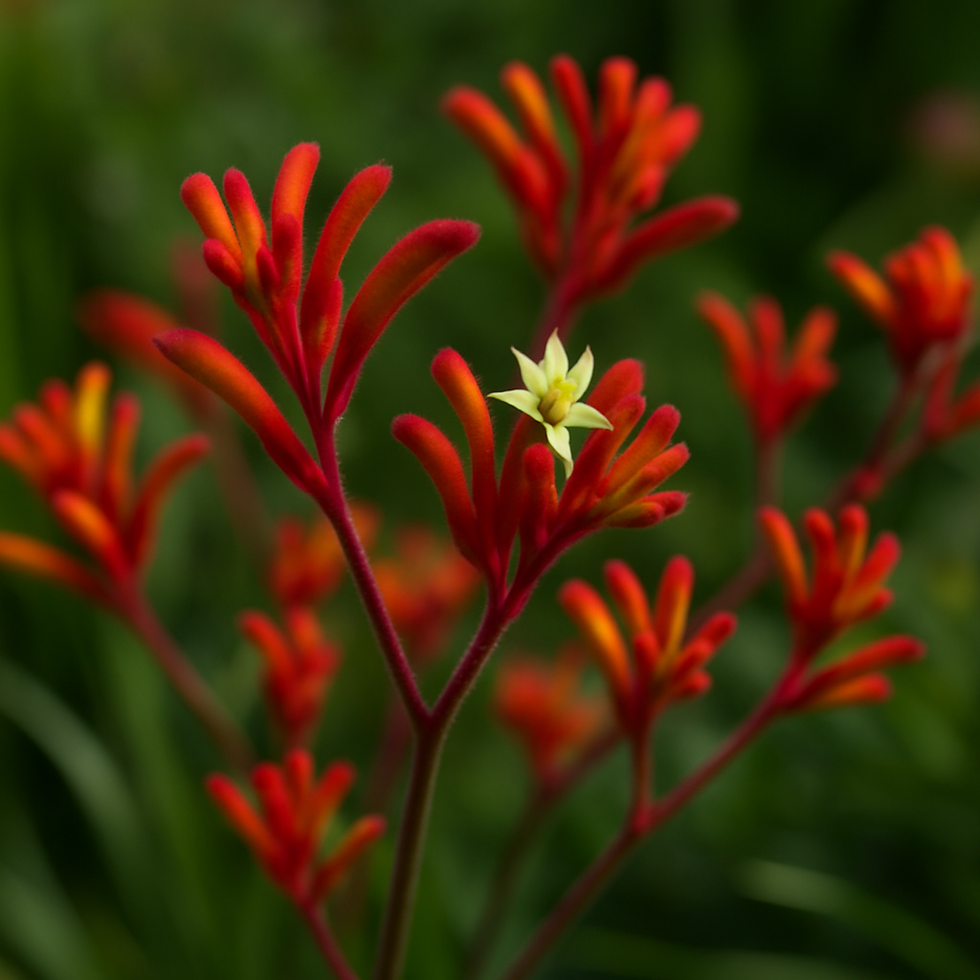
Kangaroo Paw (Anigozanthos)
Kangaroo Paw provides a burst of colour with its unique, tube-shaped flowers in shades like red and yellow. These hardy plants can withstand drought and are perfect for attracting pollinators, making them a great addition to any garden. Studies show that Anigozanthos flowers can be present from spring through autumn, creating sustained visual interest.

Society Garlic (Tulbaghia violacea)
The Society Garlic features long, attractive leaves and clusters of lavender flowers that thrive in Brisbane's conditions. Its strong aroma may deter pests while attracting beneficial insects. This plant grows well in poor soils and only needs occasional watering, making it a great companion for other drought-tolerant options.

False Sarsaparilla (Hardenbergia violacea)
This native vine produces beautiful purple flowers, especially in spring, making it excellent for vertical growth. False Sarsaparilla can cover fences or trellises, providing shade and enhancing your garden's look without excessive water demands.

Coastal Rosemary (Westringia fruticosa 'Blue Gem')
The Coastal Rosemary is a compact shrub perfect for hedges and privacy screens. With its drought-resistant nature and attractive foliage, it can grow up to 1 meter high and 1.5 meters wide, enhancing your garden's coastal vibe with minimal maintenance.
Native vs Exotic: Pros and Cons
When selecting plants, you will often weigh the benefits of native species against those of exotics. Each choice has its pros and cons.
Natives
Pros:
Pest and Disease Resistance: They show higher resilience against local pests, reducing the need for chemicals.
Supports Local Wildlife: Native plants attract local birds and insects, enhancing biodiversity.
Low Maintenance: Many native plants thrive with less water and care.
Cons:
Limited Variation: They may lack the variety in colour and size that some might prefer.
Slower Growth: Some native species take longer to establish.
Exotics
Pros:
Aesthetic Variety: Exotic plants often provide diverse colours and unique shapes, offering more design flexibility.
Instant Impact: They can enhance your garden's appearance immediately.
Cons:
Higher Maintenance Needs: Exotics may require more water and attention.
Invasiveness: Some can disrupt local ecosystems if not managed properly.
Selecting between these options depends on your goals, whether you’re prioritizing aesthetics or environmental sustainability.
Creating Zones of Privacy, Shade, and Features
Strategically planting for privacy or shade can enhance your garden's utility and beauty.


Privacy Plants
Coastal Rosemary, along with larger of the Callistemon species, can create natural green walls. These plants not only boost privacy but also serve to attract wildlife, enriching the environment.
Shade Plants
For shaded regions, consider taller palms or the lush leaves of the native Queensland Bottle Tree (Brachychiton rupestris), providing cover while brightening up your landscape with their vibrant colours.

Feature Plants
Andean Princess Flower (Tibouchina lepidota) and Bougainvillea (Bougainvillea spp.) make excellent feature points, drawing attention and anchoring your garden design. Pair them with lower-growing plants for an interplay of heights and textures.
Seasonal Interest for Year-Round Beauty
One of the joys of gardening in Brisbane is the changing colours and patterns throughout the seasons. Choosing plants that bloom or provide texture at different times helps create a dynamic space all year long.
Spring
In spring, the bright flowers of Kangaroo Paw and False Sarsaparilla produce a vibrant display, transforming your garden into a lively tableau.
Summer
During summer, the lush greens of Foxtail Agave and Emu Bush offer rich foliage while Society Garlic provides bursts of blooming colour.
Autumn and Winter
In the cooler months, choose evergreen natives like Coastal Rosemary to maintain visual interest. Supplementing with seasonal flowers can keep your garden vibrant even during winter.
Understanding Perennials vs Annuals: A Quick Overview
Making informed choices involves knowing the differences between perennials and annuals to cultivate a thriving garden.
Perennials
Pros:
Long-Term Investment: They return year after year, giving you value for your investment.
Low Maintenance: Once they establish, perennials need less ongoing care.
Cons:
Delayed Blooming: Some perennials may take longer to flower than annuals.
Annuals
Pros:
Quick Visual Impact: They can fill in gaps almost instantly and add immediate colour.
Seasonal Flexibility: You can change plants every season based on your preferences.
Cons:
One-Time Growth: Annuals must be replanted each year, leading to more maintenance and potentially higher costs.
Ultimately, your choice depends on your garden's goals and the maintenance you are willing to commit.
Crafting Your Ideal Brisbane Garden
Brisbane's unique environment allows for the creation of stunning gardens filled with diverse life and beauty. Selecting the right mix of drought-tolerant plants will ensure your outdoor space flourishes with minimal fuss. By considering aspects like privacy, shade, seasonal diversity, and choosing wisely between native and exotic varieties, you can cultivate a breathtaking garden that complements your lifestyle. With the right plant choices, your Brisbane yard can be a stunning sanctuary throughout the year.
If all of this feels a bit overwhelming or you’re not sure where to start, we’re here to help. At Vine & Stone, we love working with Brisbane homeowners to create gardens that are both beautiful and practical. Whether you’ve got a few ideas already or just know you want something low-maintenance and vibrant, feel free to get in touch — we’d be happy to chat and help bring your landscape to life.


Comments